Between Words: The Human Voice in the Age of AI
The human voice in the age of AI: between technology, emotion, and presence.
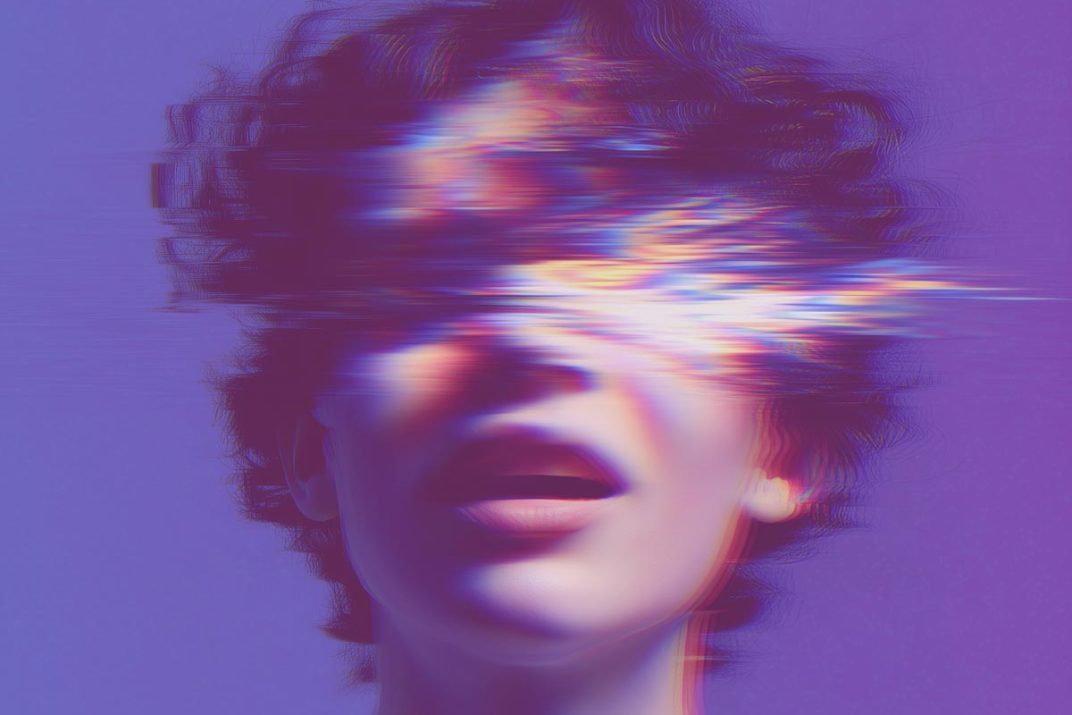
The human voice has always been more than what we say. Something happens between words — in rhythm, pauses, breath, and intention — that transforms information into presence.
Today, Artificial Intelligence has already crossed a fascinating threshold: in certain contexts, synthetic voices can sound so natural that they become difficult to distinguish from human ones. Contemporary models have learned not only to pronounce words, but also to reproduce some of the subtleties that shape human speech: changes in rhythm, intonation, pauses, accents, and different ways of expressing states and intentions.
And perhaps this is precisely where the most interesting question lies: what makes a voice sound human?
It is not simply the clarity of pronunciation. It is prosody — that invisible movement beneath the words that reveals intention. A human voice is rarely perfectly regular. It hesitates, speeds up, slows down, breathes, and holds a silence. These small irregularities are not noise to be eliminated; often, they are precisely what gives speech life and allows the singularity of the speaker to emerge through the voice.
AI is beginning to recognize and reproduce these patterns. It can already identify emotions based on purely vocal characteristics and adjust speed and intonation to suggest different states and intentions, as well as adapt its response to the user’s emotional state. AI can recognize what an emotion sounds like. It can reproduce the rhythm of a pause — its duration, its hesitation, even its delicacy. It can produce the sound of empathy. But one question remains: what exists between the sound and what gives rise to the emotion it conveys?
It is within this space that the performer’s voice continues to find its strength. The more complex, intimate, or meaningful a narrative is, the greater our need seems to be to perceive, behind the voice, someone who is truly present.
Perhaps the future is not about choosing between humans and machines, but about understanding what each can offer. Technology can expand possibilities, but it is presence that transforms a voice into an encounter.
And maybe what AI still cannot fully reproduce lies precisely in the most difficult place to encode: what happens inside us while we speak.
contact
Hi let’s talk? Fill out the form below and I will contact you soon!