The Evolving Role of the Voice Artist in the Age of AI
How AI is redefining the role of voice artists in a changing industry.
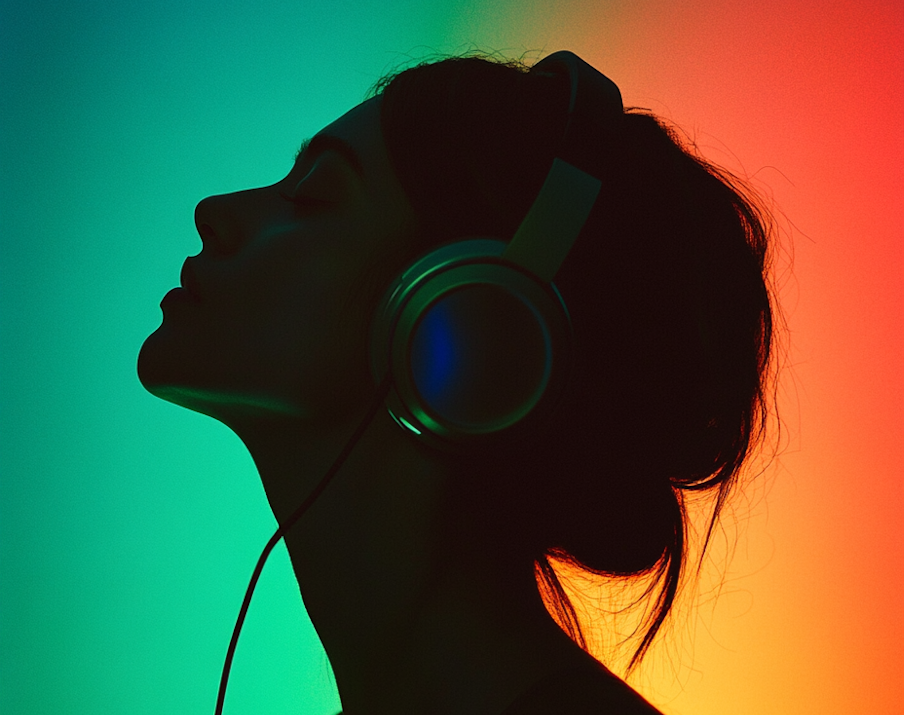
The role of the voice artist is no longer limited to recording scripts. In the AI era, the human voice has become both creative material and technological infrastructure. For decades, synthetic speech sounded mechanical because machines could only assemble fragments of recorded audio. But neural TTS systems such as DeepMind’s WaveNet transformed speech synthesis into something fundamentally different: voices capable of sounding emotional, fluid, and increasingly indistinguishable from human speech.
This shift is redefining the voice artist’s place in the industry. The value of voice work no longer lies only in clarity or technique, but in qualities machines still struggle to fully replicate: emotional presence, intention, interpretation, subtext, rhythm, silence, and genuine human connection. Today, a voice artist is not simply a performer, but also a curator of emotion and identity within AI systems.
At the same time, voice artists are becoming collaborators in the development and training of AI models. Their recordings help shape synthetic voices used in virtual assistants, accessibility tools, games, education, customer service, and conversational agents. As a result, the profession now demands ethical awareness alongside vocal skill, since voice cloning raises urgent questions surrounding consent, ownership, and authenticity.
In this new landscape, the voice artist is not disappearing. The role is evolving from “the person behind the microphone” into someone who helps define how machines sound, feel, and relate to human beings.
contact
Hi let’s talk? Fill out the form below and I will contact you soon!